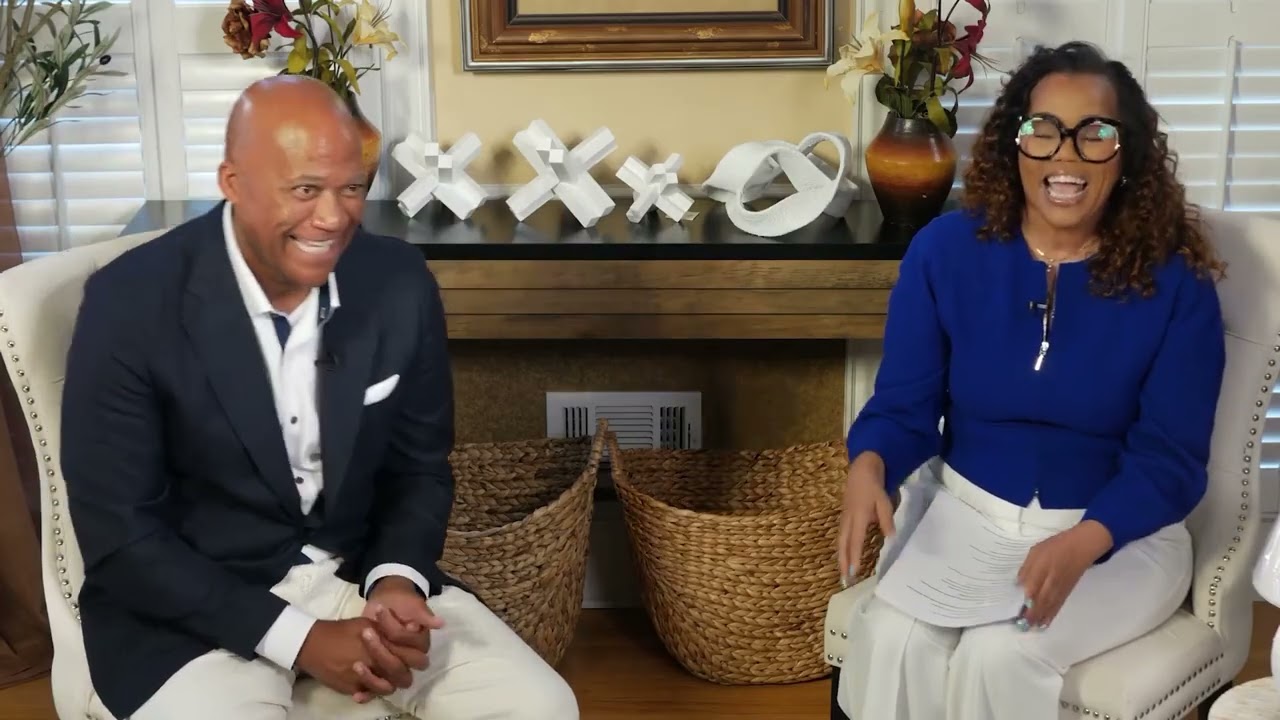
Double Dose with the Coopers · Episode 01 · Healthcare
Why You Can’t Just Pick Any Doctor, and Why Prevention Starts Before the ER

Double Dose with the Coopers is a health show from Dr. William Cooper, a heart surgeon, and his cousin Dr. Ozita Cooper, who goes by “Dr. Z.” She works in the emergency room, and the show’s captions introduce her as an obesity medicine expert. In the premiere, Dr. Cooper described the goal: education and information, clearing up myths about medicine, and getting people interested in living healthier lives.
This guide covers the premiere and the two clips from it that Dr. Cooper posted in October: why you can’t just pick any doctor, and why prevention starts before the ER doors. Each section adds what national health organizations recommend, with sources at the end.
Watch the October clips

1. Why you can’t just pick any doctor
Dr. Cooper said this part of the conversation started with an Instagram ad that offered to help doctors “get patients.” It struck him how many people believe a doctor hangs up a shingle and patients simply show up.
In practice, he said, most doctors are employed. Insurance companies, the third-party payer system and large health care systems decide a lot about where you get care. People search online for their condition and for the best doctors they can find, but they are still “constrained by their network.” He said the show will talk about how patients can work within all of these systems and still get the care they need.
Dr. Cooper added that one of the most common calls he gets is a friend asking for help finding a particular doctor, and that more of those calls are now about care for aging parents. Dr. Z described making sure her own parents got the care they needed during the COVID years. Both hosts said there are things families can do ahead of time so those days do not catch them off guard.
Before you see a new specialist, ask three questions. Is this doctor in my plan’s network? Does my plan need a referral first? Is the hospital where this doctor practices in my network too?
2. Prevention starts before the ER doors
In the emergency room, Dr. Z sees patients on the worst day of their lives. During the COVID years she gained weight, and a conversation with Dr. Cooper about a newer GLP-1 weight-loss medicine helped her go from about 60 pounds overweight to a healthier weight.
That experience changed how she saw her own work. “Maybe we could treat more patients before they come through those double doors,” she said. She went on to study obesity medicine and decided to focus this season of her career on prevention. As she put it to her cousin, “I resuscitate, you repair.” The show is a way to reach people before they need either one.
She also recalled a lesson from her training. Crashes that used to be called motor vehicle accidents are often preventable, with seat belts and brake lights. In the same way, she said, there are things you can do to help prevent much of what she sees: high blood pressure, diabetes, excess weight, strokes and heart attacks.
Weight-loss medicines are prescription drugs with benefits and side effects. Talk with your own doctor about whether one is right for you.
3. Why it is personal: family history
For Dr. Cooper, the show is a way to honor his family. In the premiere he shared that his family “lost seven of our 10” before the age of 60.
“Everybody’s going to die. We all got a date,” he said. None of us knows when that date will come, “but we all want to push that out as far as we can,” and enjoy this life as much as we can in between.
He came back to the point in Episode 02: children should ask their parents and grandparents what happened to them, as far as they can find out, because it affects their own health.
A simple way to start: list your parents, brothers and sisters, grandparents, aunts and uncles. Next to each name, write down any heart disease, stroke, aneurysm, high blood pressure, diabetes or cancer, and the age when it started.
4. What the show will cover next
The hosts named the topics they plan to take on: high blood pressure and heart health, weight loss, elder and senior care, the opioid epidemic, and when to go to the emergency room, urgent care or your own doctor. They also plan a segment on health headlines, practical steps you can act on, and a “Double Dose Docs” segment featuring doctors from viewers’ own cities. They have invited viewers to send in questions and topic ideas.
The premiere also speaks to young people thinking about a career in medicine and to fellow physicians. Those parts of the conversation are in Dr. Cooper’s clips From Hayti to heart surgeon and 15 hospitals, and why I don’t need a job.
Frequently asked questions
What is Double Dose with the Coopers?
A health show hosted by Dr. William Cooper, a heart surgeon, and his cousin Dr. Ozita Cooper (“Dr. Z”), who works in the emergency room and is introduced on the show as an obesity medicine expert. Full episodes are on Dr. Cooper’s YouTube channel. The hosts share general education, not personal medical advice, and they ask viewers to keep seeing their own doctors.
Why can’t I just see any doctor I want?
You can, but what you pay depends on your plan. Most plans give you the best price when you use doctors and hospitals in their network, and fewer than half of physicians now work in private practices. Check your plan’s provider directory, call the number on your insurance card, and confirm with the doctor’s office before you book.
What if I need emergency care at an out-of-network hospital?
Get care first. Call 911 for a medical emergency. The federal No Surprises Act protects you from unexpected out-of-network bills for emergency room visits.
Should I go to the emergency room or urgent care?
Call 911 or go to the emergency room for anything that could be life-threatening, such as severe chest pain or pressure, severe shortness of breath, or sudden weakness, confusion, or trouble speaking or seeing. Urgent care is for problems that cannot wait but are not life-threatening, like sprains, minor cuts, sore throats or earaches. If you are not sure, call your doctor’s office or your plan’s nurse line.
What should I write down for my family health history?
Each close relative’s major health conditions, such as heart disease, stroke, aneurysm, high blood pressure, diabetes and cancer, and the age when each one started or when the person died. Bring the list to your doctor. It can change which screenings you need and when you start them.
Sources
- Double Dose with the Coopers, Episode 01: Premiere (YouTube, September 16, 2026), and the clips posted October 18 and October 23, 2026.
- American Medical Association. Physician Practice Benchmark Survey (2024 data).
- HealthCare.gov. Glossary: Network.
- HealthCare.gov. Getting regular medical care.
- Centers for Medicare & Medicaid Services. Medical bill rights (No Surprises Act).
- CDC. About High Blood Pressure.
- U.S. Preventive Services Task Force. Hypertension in Adults: Screening (2021).
- CDC. Preventing Heart Disease.
- MedlinePlus (National Library of Medicine). When to use the emergency room, adult.
- CDC. About Family Health History.
Guidance quoted from these organizations was checked on October 26, 2026.